← Cinema Atlas
Also available
data via JustWatch
Synopsis
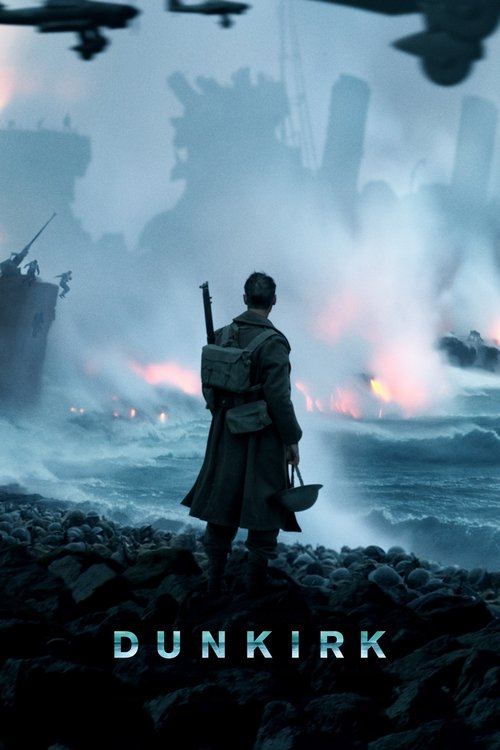
The story of the miraculous evacuation of Allied soldiers from Belgium, Britain, Canada and France, who were cut off and surrounded by the German army from the beaches and harbour of Dunkirk between May 26th and June 4th 1940 during World War II.
Films with Similar Energy
Cinematic Threads
In conceptualizing the relentless, ticking-clock tension of Dunkirk, Christopher Nolan deliberately abandoned the traditional, dialogue-heavy war film structure in favor of pure, visceral mechanics. Nolan explicitly mandated that his entire crew study Robert Bresson's A Man Escaped and Pickpocket, fascinated by Bresson's ability to generate excruciating suspense through meticulous, wordless focus on physical processes and geographic logic. He also widely cited Henri-Georges Clouzot's masterpiece of anxiety, The Wages of Fear, as the ultimate cinematic textbook for sustaining a singular note of breathless tension over an entire feature runtime. By anchoring the survival of an army in these precise, minimalist traditions, Nolan forged an experiential nightmare of sound and motion.
See all connections for Dunkirk →
Explore the full connection →


Films with Similar Themes
military evacuation · World War II · survival against odds · Allied forces · wartime heroism


More Films with Similar Energy
Deeper matches by cinematic fingerprint