← Cinema Atlas
Also available
data via JustWatch
UNITED STATES · 2014
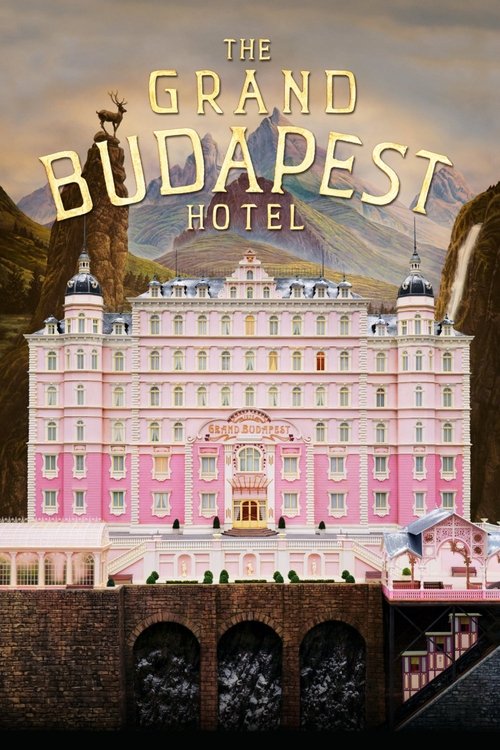
The Grand Budapest Hotel
American Independent
mentorship
heist and theft
European history
luxury and elegance
friendship across class
Where to watch
M
Find on MUBI
Hand-picked cinema, one film at a time
→
C
Search the Criterion Channel
Browse the collection
→
Synopsis
The Grand Budapest Hotel tells of a legendary concierge at a famous European hotel between the wars and his friendship with a young employee who becomes his trusted protégé. The story involves the theft and recovery of a priceless Renaissance painting, the battle for an enormous family fortune and the slow and then sudden upheavals that transformed Europe during the first half of the 20th century.
Films with Similar Energy
Cinematic Threads
Wes Anderson has openly acknowledged that the primary cinematic foundation for his sprawling alpine adventure rests upon the sophisticated comedies of Ernst Lubitsch, particularly The Shop Around the Corner and To Be or Not to Be. Anderson sought to capture the legendary "Lubitsch touch"—a remarkably deft, effervescent tone that masks a deeper melancholy regarding the fragility of civilization in the face of fascism. Additionally, the film's intricate tracking shots and sweeping romantic fatalism draw heavily from the elegant camera movements found in Max Ophüls's The Earrings of Madame de.... By channeling these exact works, Anderson crafted a vibrant love letter to a bygone era of European elegance that was largely preserved only in the amber of classical cinema.
See all connections for The Grand Budapest Hotel →
Explore the full connection →
More from Wes Anderson
United States · American Independent


Films with Similar Themes
mentorship · heist and theft · European history · luxury and elegance · friendship across class





More Films with Similar Energy
Deeper matches by cinematic fingerprint