Discover great cinema and the connections that made it possible.
Film Movement
1969–present
FESPACO Generation
African Cinema
The pan-African cinema tradition centered on Ouagadougou's film festival. Sembène's political fables, Souleymane Cissé's myths, Mahamat-Saleh Haroun's quiet devastations. Cinema as a tool of decolonization.
The Panafrican Film and Television Festival of Ouagadougou is a film festival in Burkina Faso, held biennially in Ouagadougou, where the organization is based. It accepts for competition only films by African filmmakers and chiefly produced in Africa. FESPACO is scheduled in March every second year, two weeks after the last Saturday of February. Its opening night is held in the Stade du 4-Août, the national stadium.
Source: Wikipedia
Key Directors
A poet of displacement and spiritual inquiry who transforms the Sahel into a space of moral reckoning. His films move with the patience of prayer — long takes across desert and city, where small gestures contain the weight of history, faith, and exile.
The architect of African cinema's inner life. His films move with the patience of ritual, the weight of history — images that breathe, that refuse to explain themselves. Cissé makes cinema as an act of resistance and remembrance, where the personal is always political, always spiritual.
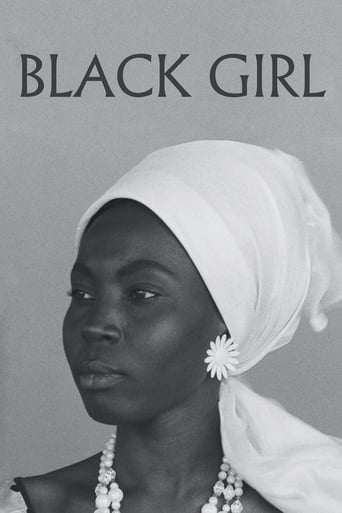
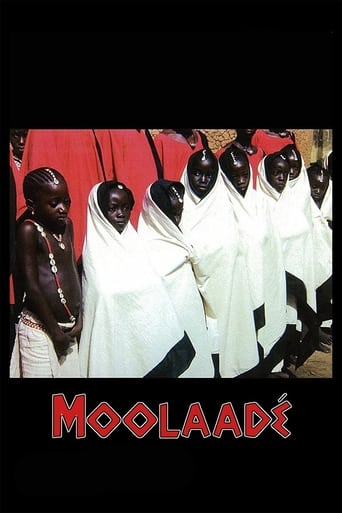
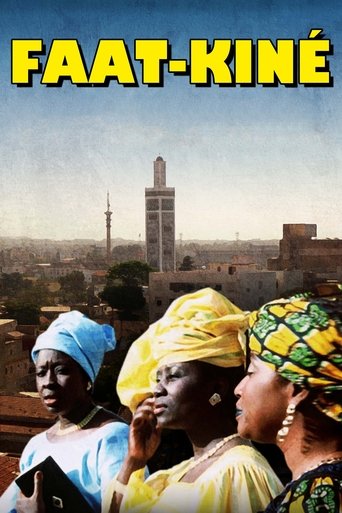
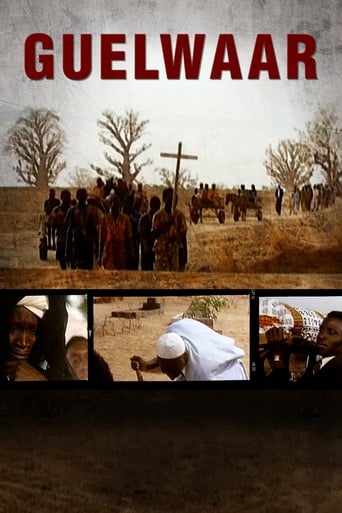
Ousmane Sembène is primarily remembered for his milestone contribution to African film history. His early films represent a linguistic and cultural shift from telling the stories of Africans in colonial countries by colonial filmmakers or filmmakers who were descendants of coloni
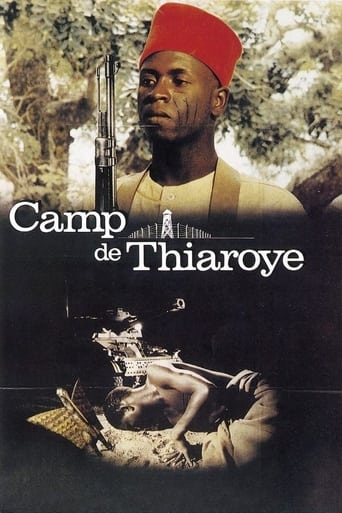
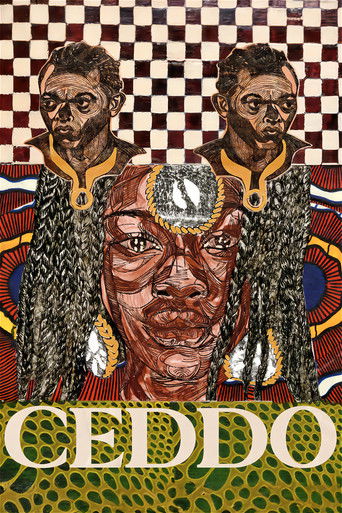
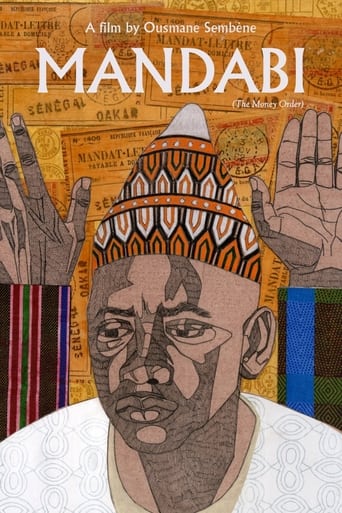
Defining Films


Related Movements in African Cinema