New German Cinema
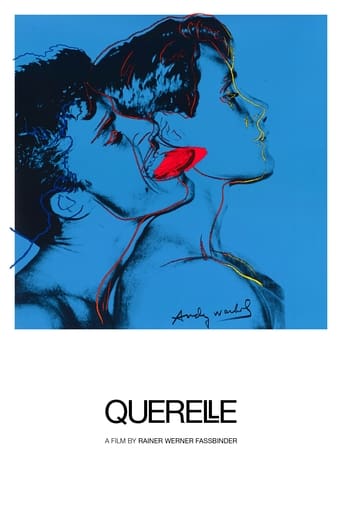
Post-war Germany confronting itself. Fassbinder's melodrama as social critique. Herzog's obsessive protagonists. Wenders' road movies through a culture unmoored from its own history. Deeply literary, often formally uncompromising.
New German Cinema is a period in West German cinema which lasted from 1962 to 1982, in which a new generation of directors emerged who, working with low budgets, and influenced by the French New Wave and Italian Neorealism, gained notice by producing a number of "small" motion pictures that caught the attention of art house audiences. These filmmakers included Percy Adlon, Harun Farocki, Rainer Werner Fassbinder, Peter Fleischmann, Werner Herzog, Alexander Kluge, Ulli Lommel, Wolfgang Petersen, Volker Schlöndorff, Helma Sanders-Brahms, Werner Schroeter, Hans-Jürgen Syberberg, Margarethe von Trotta and Wim Wenders. As a result of the attention they garnered, they were able to create better-financed productions which were backed by the big US studios. However, most of these larger films were commercial failures and the movement was heavily dependent on subsidies. By 1977, 80% of a budget for a typical West German film was ensured by a subsidy.