World Cinema, Connected
Start with a film you love.
Every film you cherish was shaped by the cinema that came before it. Trace the threads.
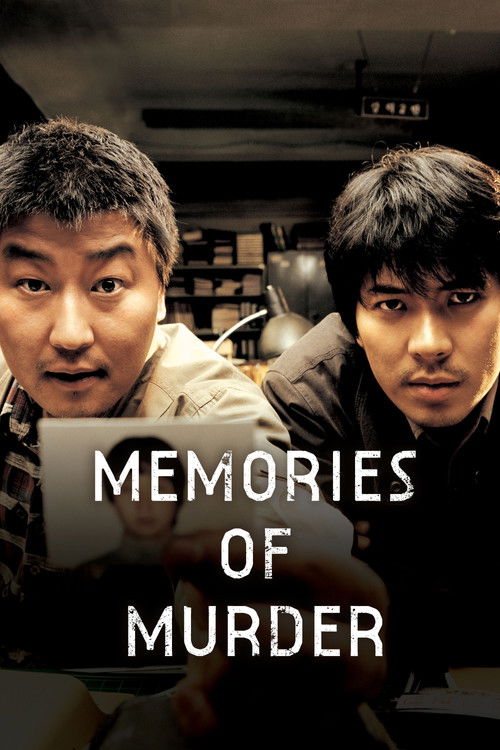
The films that built Parasite
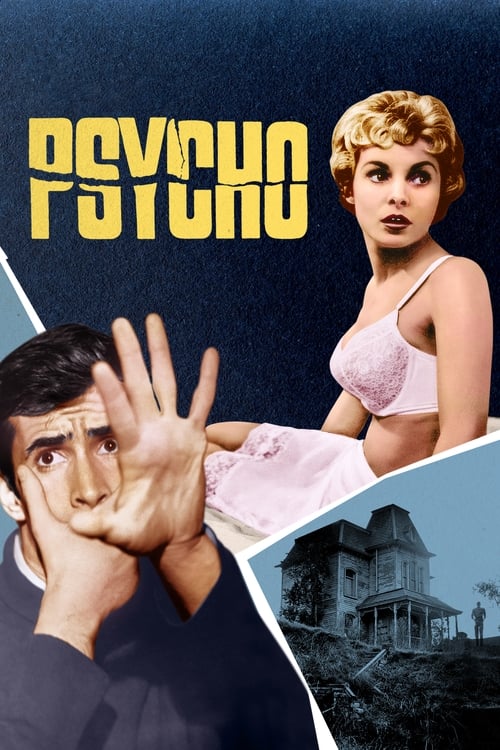
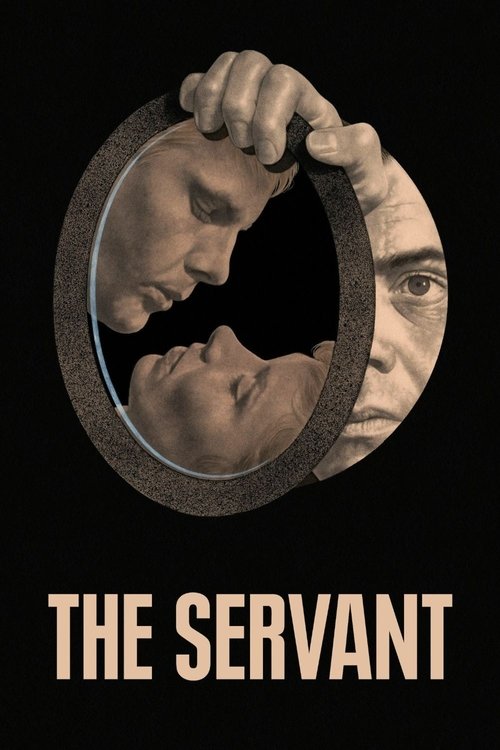
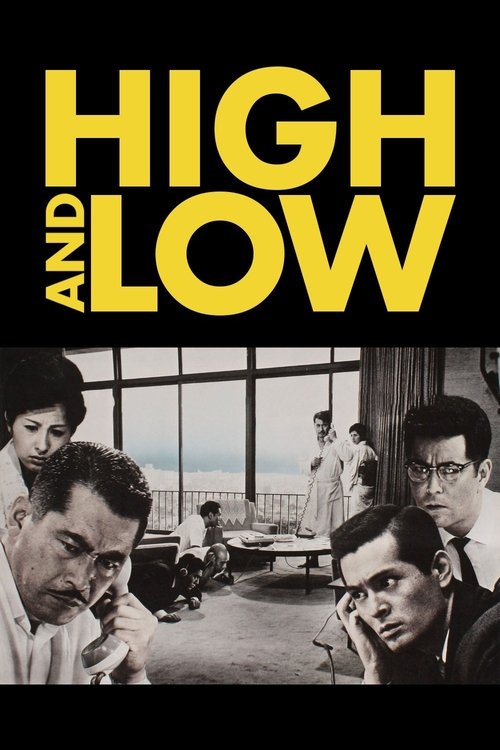
Bong Joon-ho's class thriller draws on Hitchcock's architecture of dread and Kurosawa's vertical geography of wealth and poverty. It deepens that with Hirokazu Kore-eda's tender social realism and Lee Chang-dong's slow-burn class resentment, sharpened by the procedural unease of Bong's own crime cinema.
See the full thread →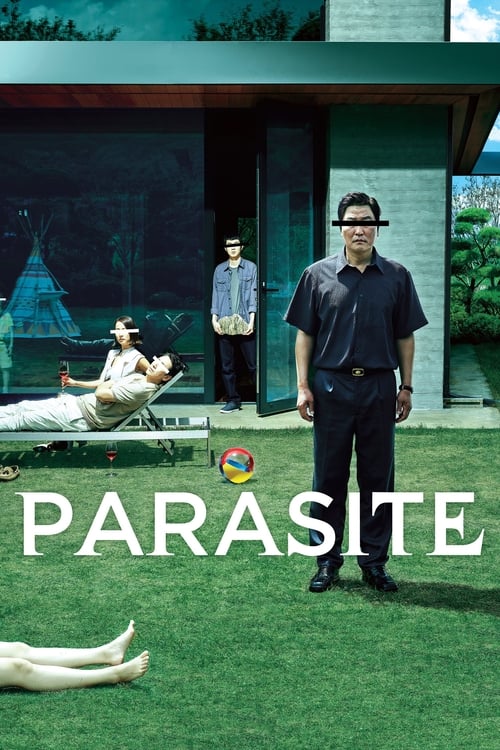


The films that built The Matrix
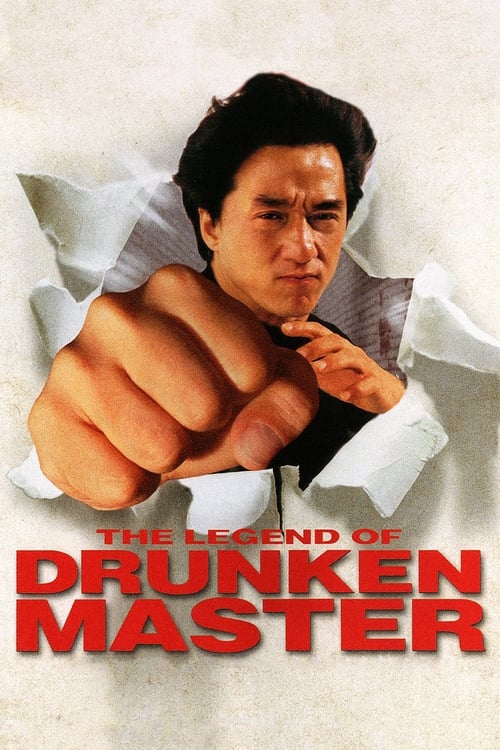
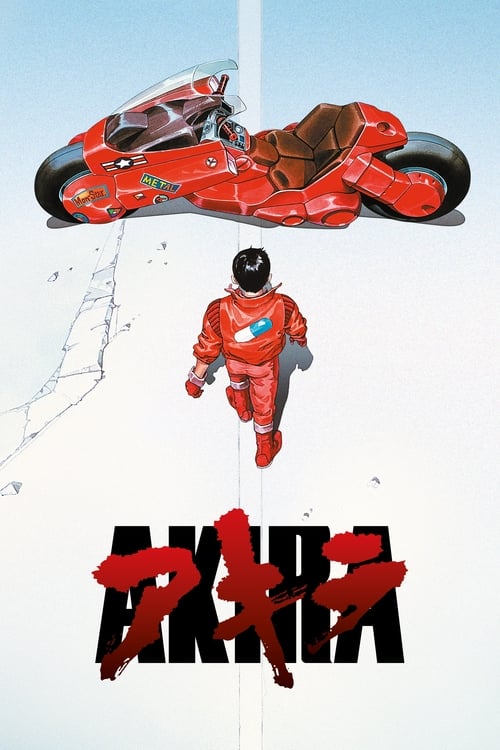
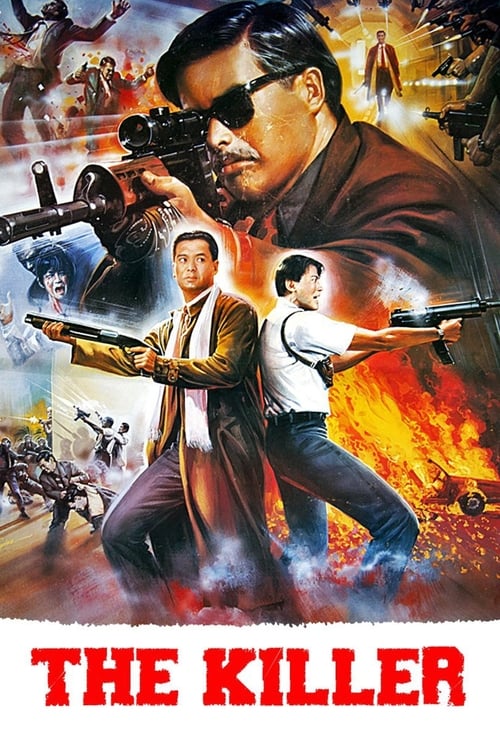
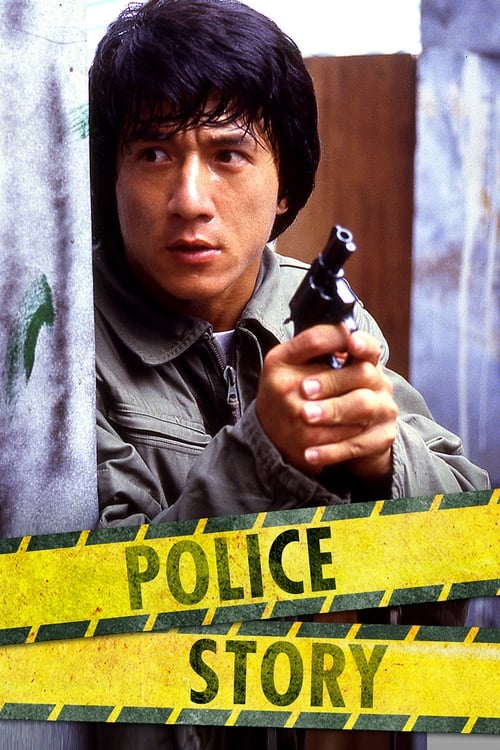
The Wachowskis built their digital fight grammar on John Woo's operatic gunplay, Jackie Chan's acrobatic martial-arts kineticism, and the chrome dread of Japanese anime.
See the full thread →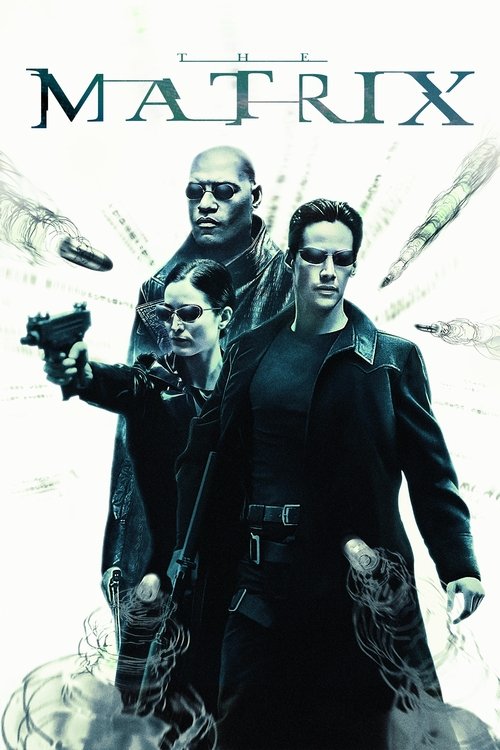


The films that built Moonlight
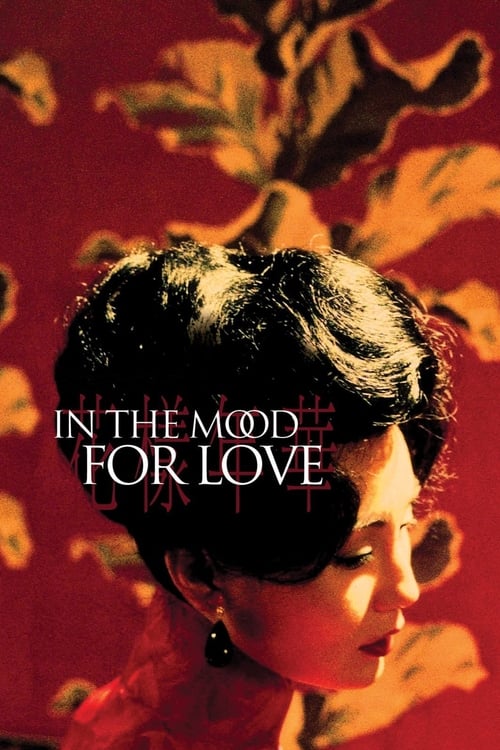
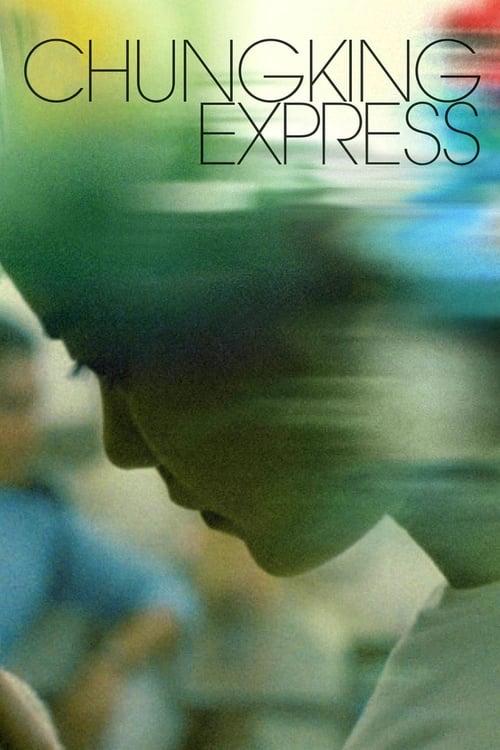
Barry Jenkins learned to carry meaning through body, color, and silence from Claire Denis and Wong Kar-wai's aching romanticism. He inherits Satyajit Ray's tender humanism and Wim Wenders's lonely, neon-lit landscapes of longing.
See the full thread →



The films that built Django Unchained
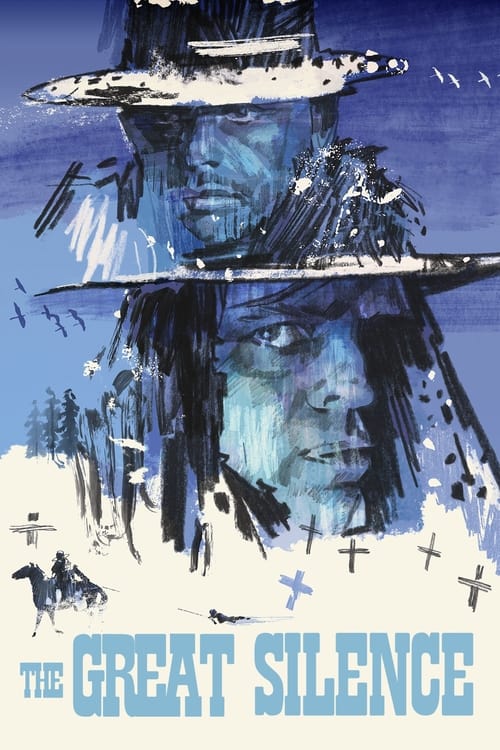
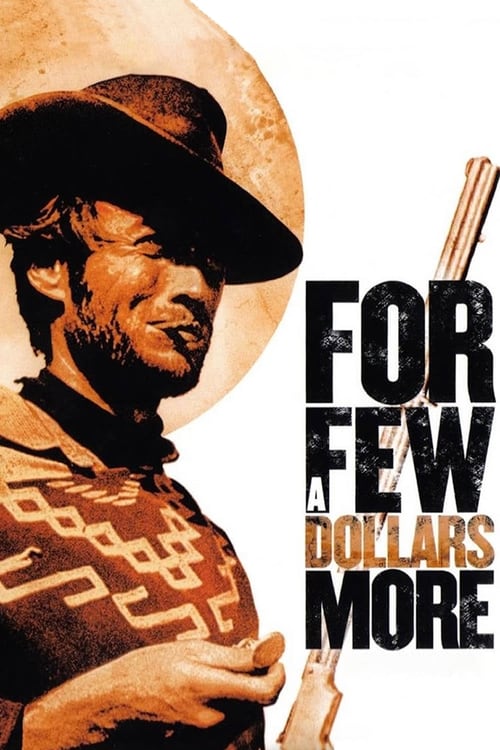
Tarantino built his revenge Western from Sergio Corbucci's blood-soaked snowscapes and Sergio Leone's operatic standoffs — the Italian spaghetti tradition turned toward a reckoning with slavery.
See the full thread →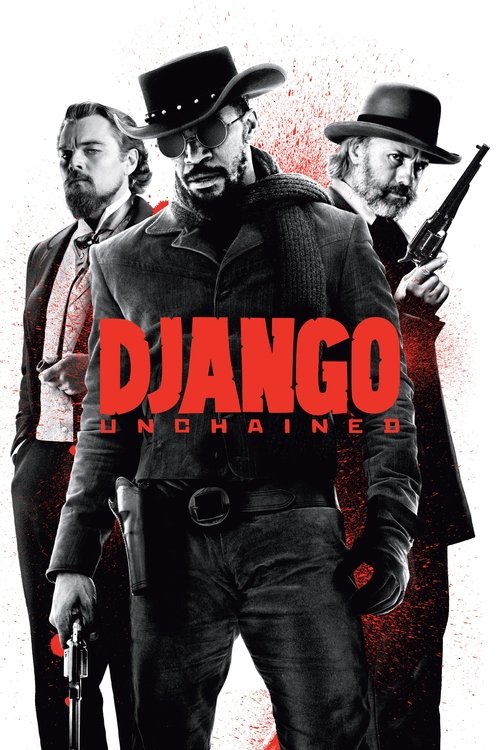

The films that built The Grand Budapest Hotel
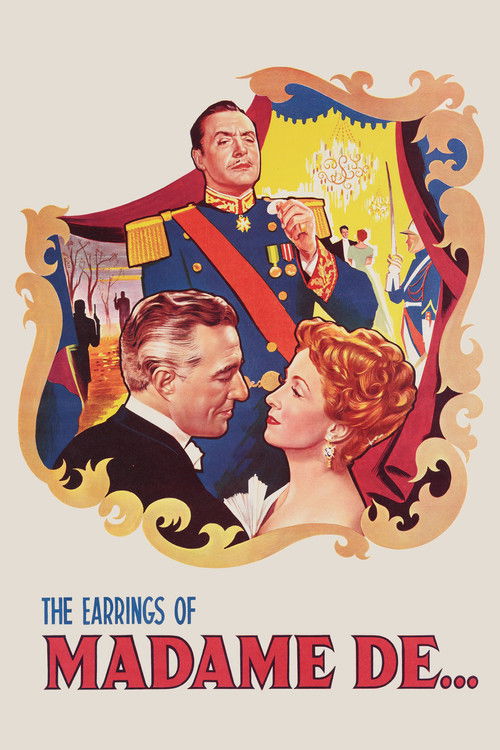
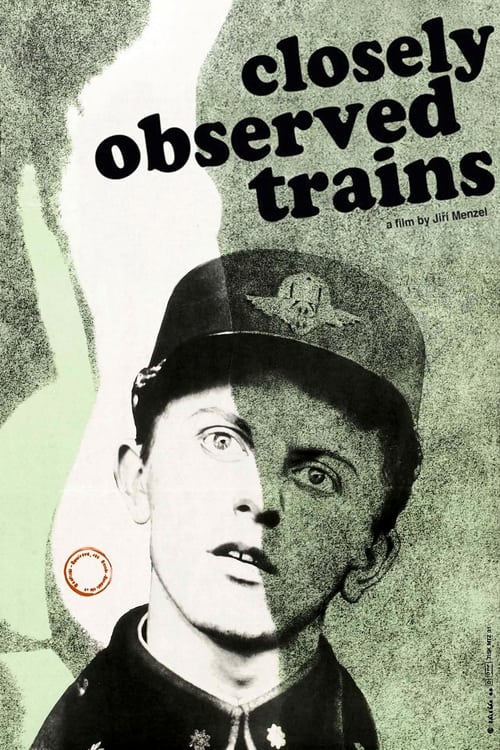
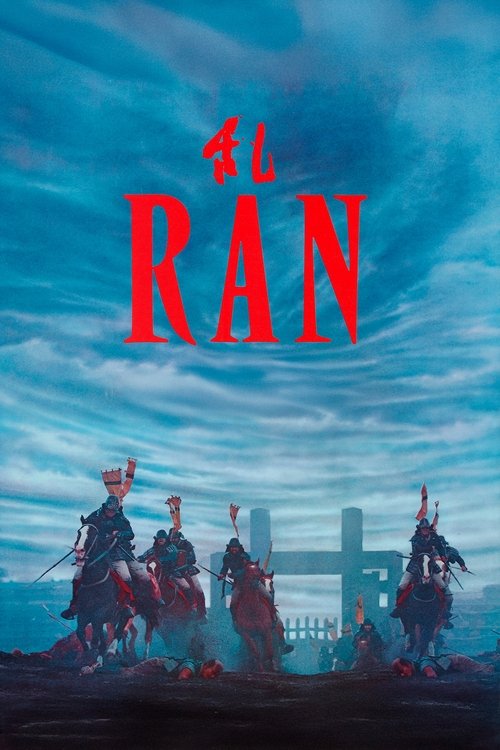
Wes Anderson chased Ernst Lubitsch's bittersweet comic touch, Max Ophüls's gliding romantic fatalism, and the Czech New Wave's deadpan grief for a civilization slipping away. Beneath the whimsy run sterner currents: Kurosawa's tragic grandeur and Jacques Becker's patient, exacting craftsmanship.
See the full thread →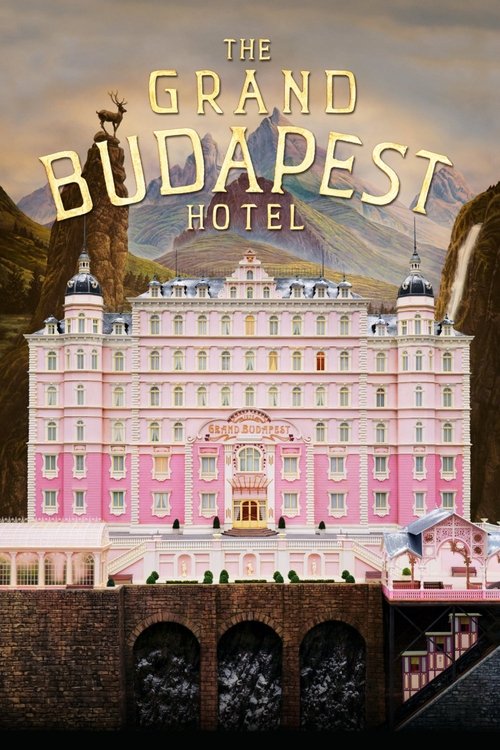


The films that built Get Out
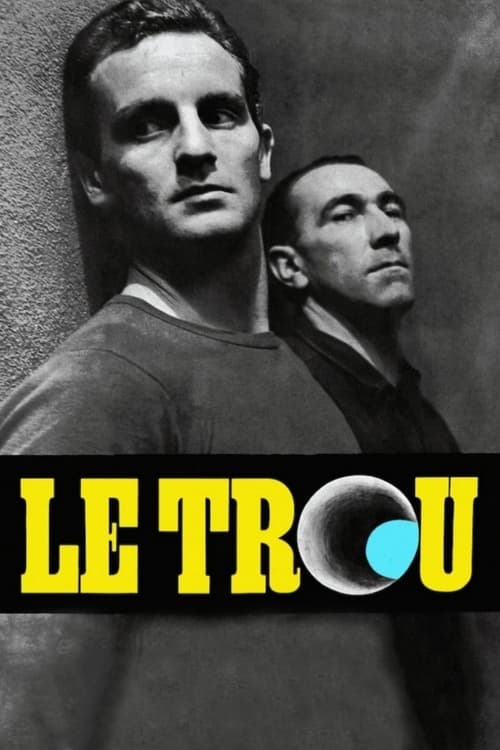
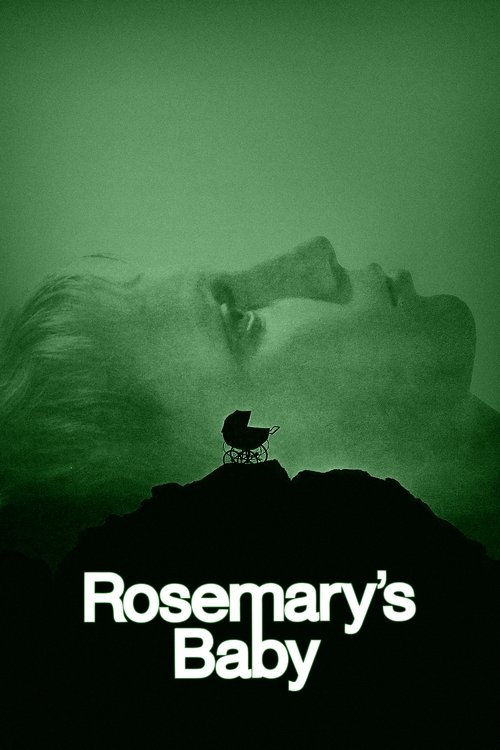
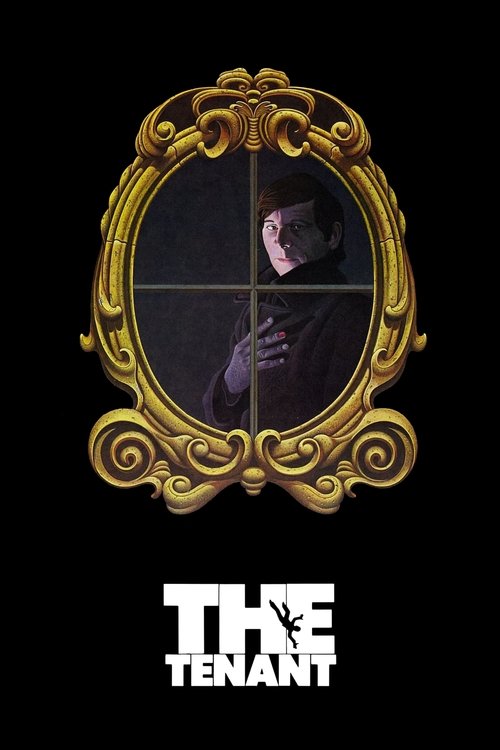
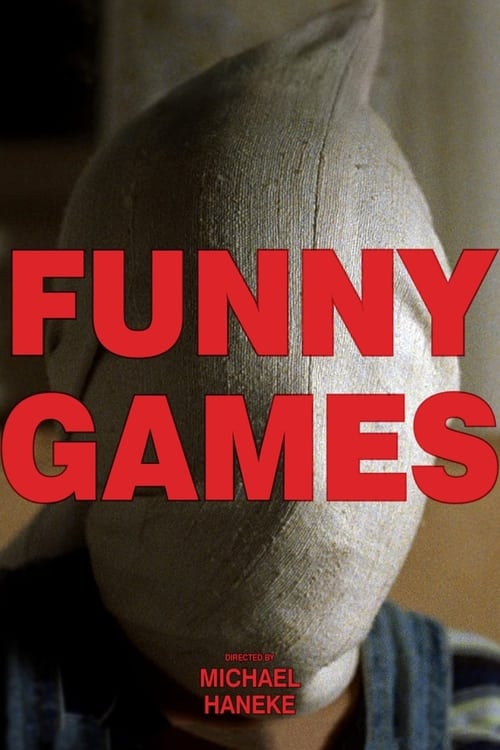
Jordan Peele turned politeness into terror through Roman Polanski's paranoid interiors and Michael Haneke's cold indictment of liberal comfort. Beneath it runs the tradition of genre allegory, where horror and science fiction smuggle in their sharpest reckonings with race and power.
See the full thread →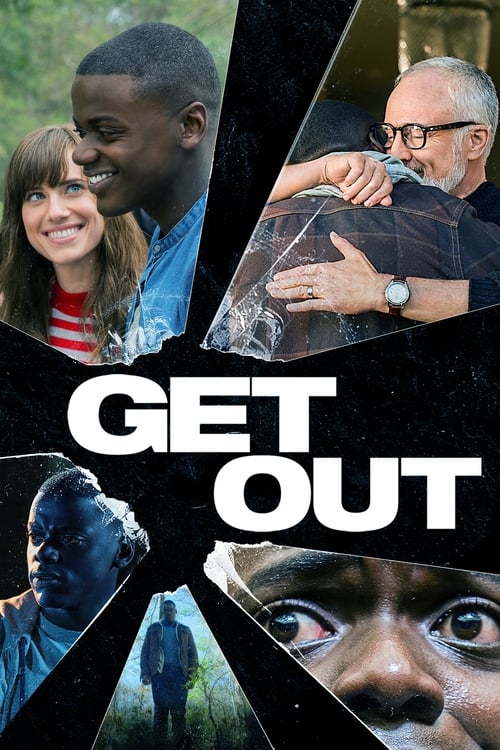
The films that built Oldboy
Park Chan-wook forged his vengeance cinema from Hong Kong action's balletic brutality and Japanese realism's unblinking gaze, turning pulp genre into a reckoning with buried national trauma.
See the full thread →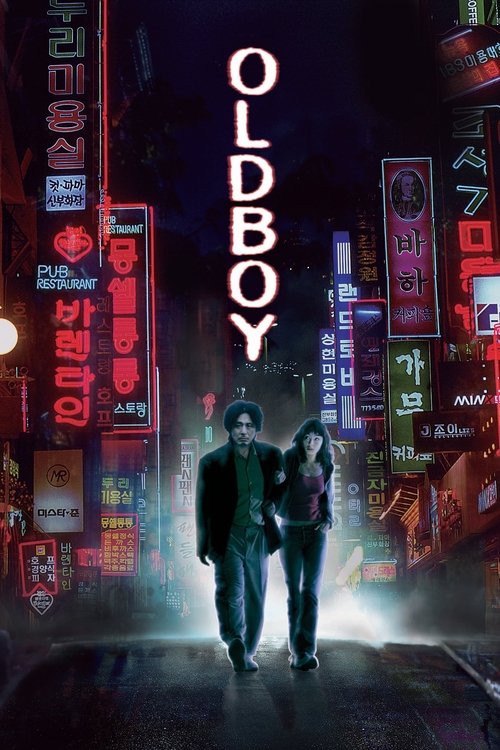


The films that built The Worst Person in the World
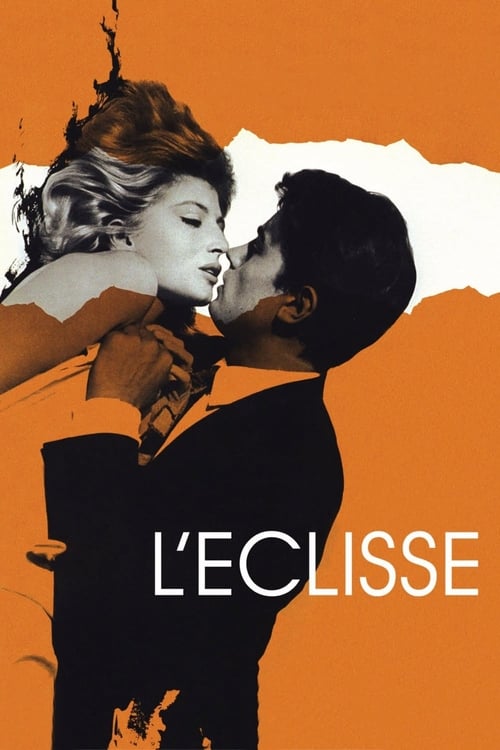
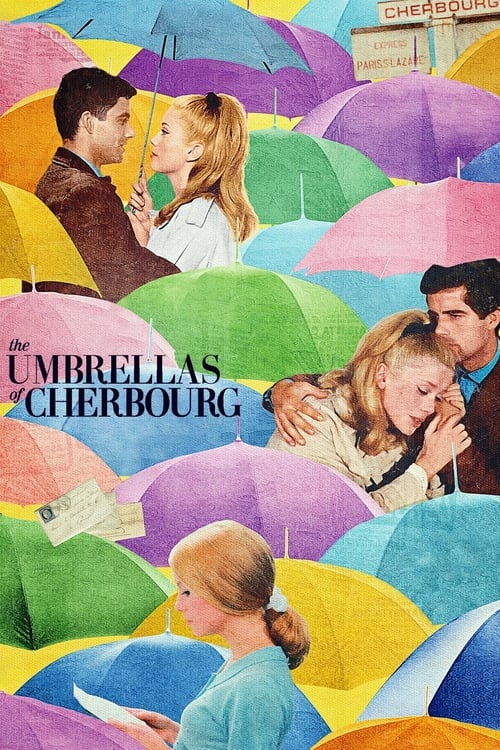
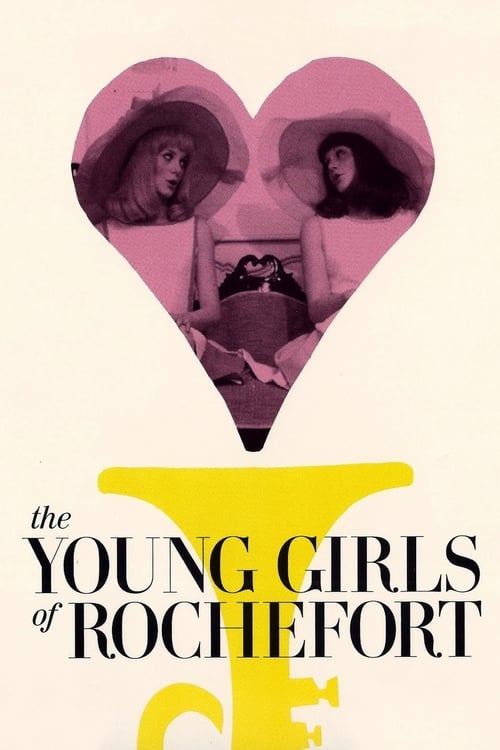
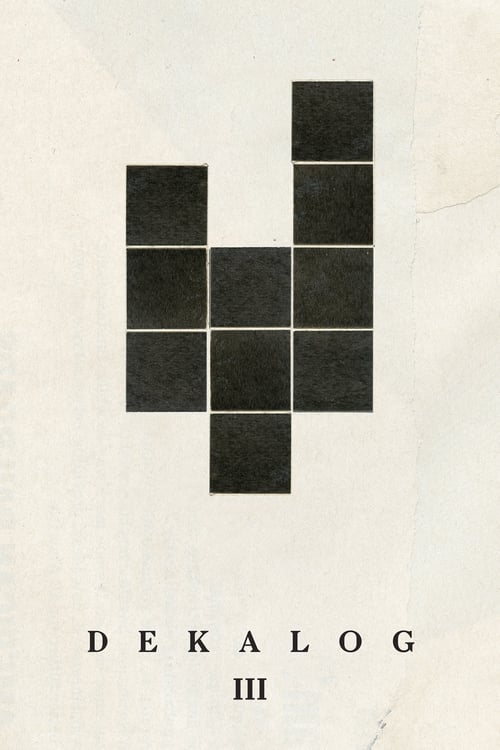
Joachim Trier borrows Jacques Demy's weather-shifting blend of joy and heartbreak, Antonioni's restless modern longing, and Kieślowski's moral attention to small, devastating choices.
See the full thread →